Equipment, computing power, and services connecting customers with greater flexibility. Atlas Nexus is guided by the needs of customers across the region and has developed three related complementary business lines. Customers can choose the solution that best fits their needs, whether through purchasing computing equipment, leasing computing resources, or adopting an equipment leasing model.
Providing procurement and trading services for servers, computing acceleration equipment, storage, networking, and related supporting equipment.
Providing computing resources based on usage requirements to support AI, HPC (High-Performance Computing), cloud computing, data analytics, and other compute-intensive workloads.
Providing flexible leasing solutions for servers, computing acceleration equipment, storage, networking, and related infrastructure.
Providing computing resources for AI model training and inference, data analytics, and high-performance workloads.
Providing cloud environments, data processing, storage, high-speed connectivity, and support for enterprise digital transformation.
Providing monitoring, resource management, and optimization of computing resources, together with scalable operations and maintenance support.
Building foundational capabilities for high-speed connectivity, data protection, access control, and business continuity.
Optimizing power, cooling, and resource utilization to support stable and efficient operations.
Establishing frameworks for physical security, cybersecurity, data protection, risk management, and compliance based on project requirements.
Adopting modular architecture, operational monitoring, and capacity planning to support phased business growth.
Growing together with technology suppliers, operators, leasing partnes and collaborates across equipment supply and trading, computing capacity, equipment leasing, infrastructure operations, and customer development. All partnerships are subject to commercial, technical, legal, risk, and corporate governance assessments.
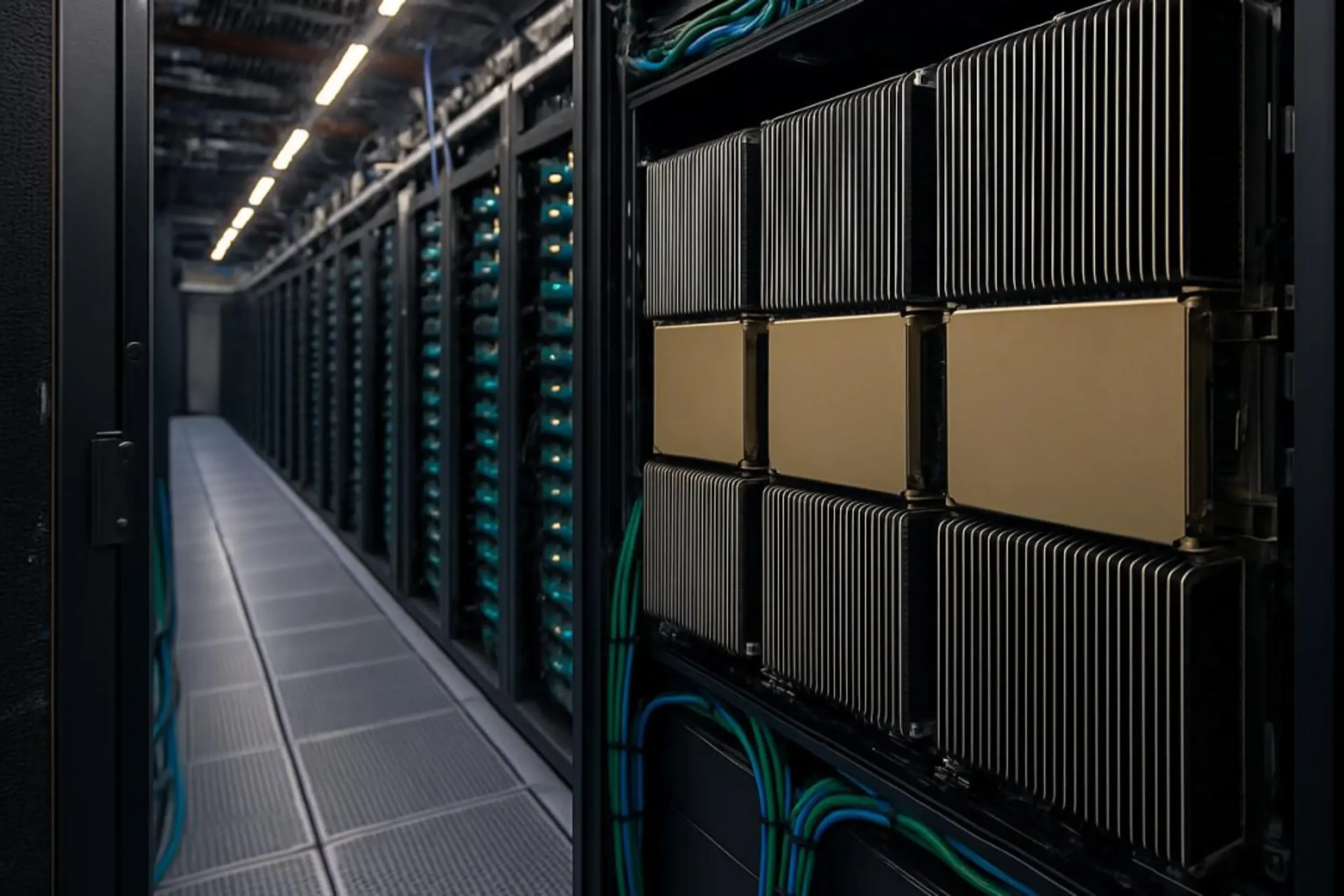

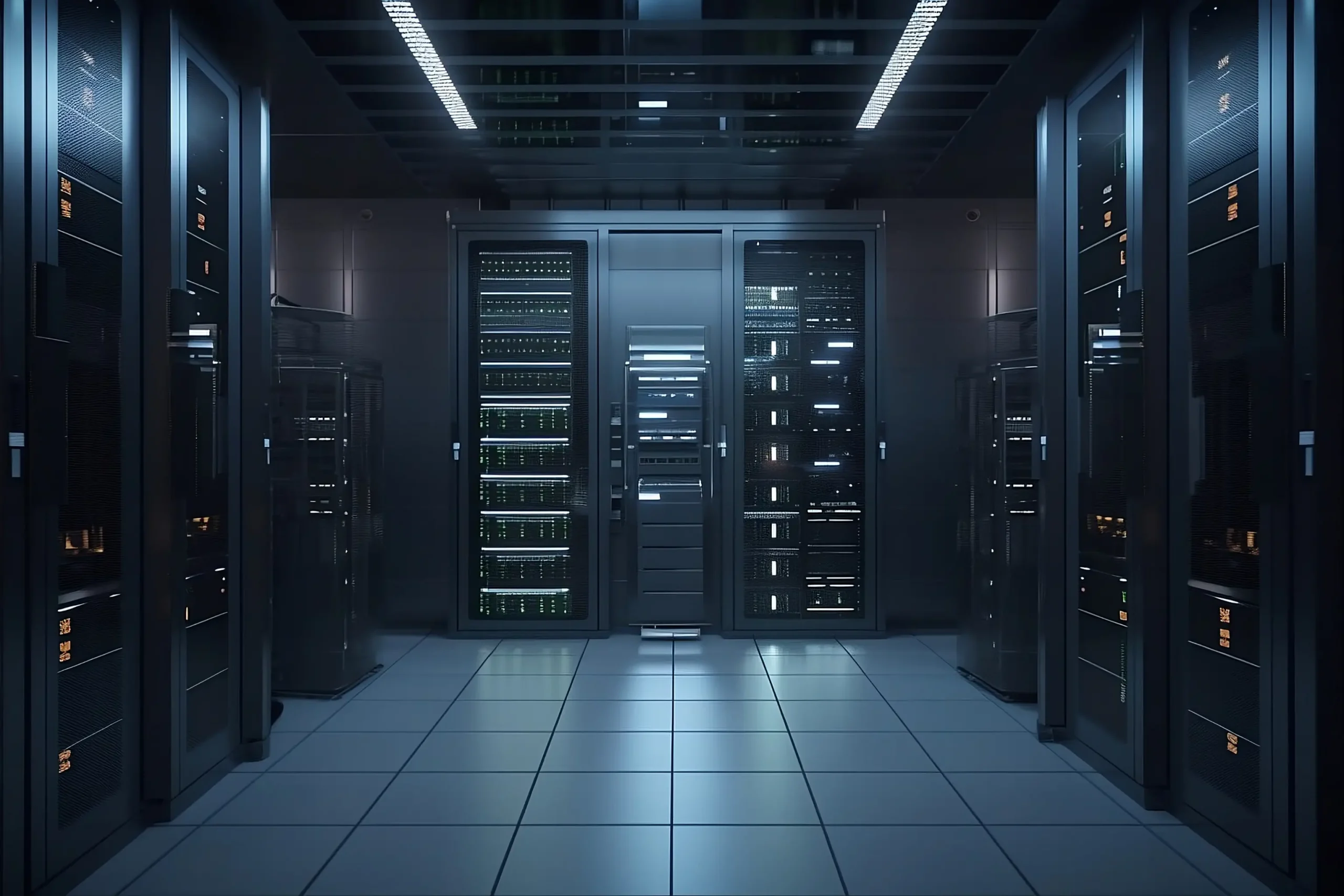
The business will be developed progressively based on actual market demand through several stages, including evaluating customer requirements, equipment specifications, computing capacity, technology suppliers, and operational partners; validating trading and equipment rental models, technological feasibility, pricing, risks, security, and compliance requirements; subsequently carrying out procurement, trading, equipment rental, system integration, testing, and service support; and expanding customer relationships, partner networks, and service coverage across Southeast Asia.